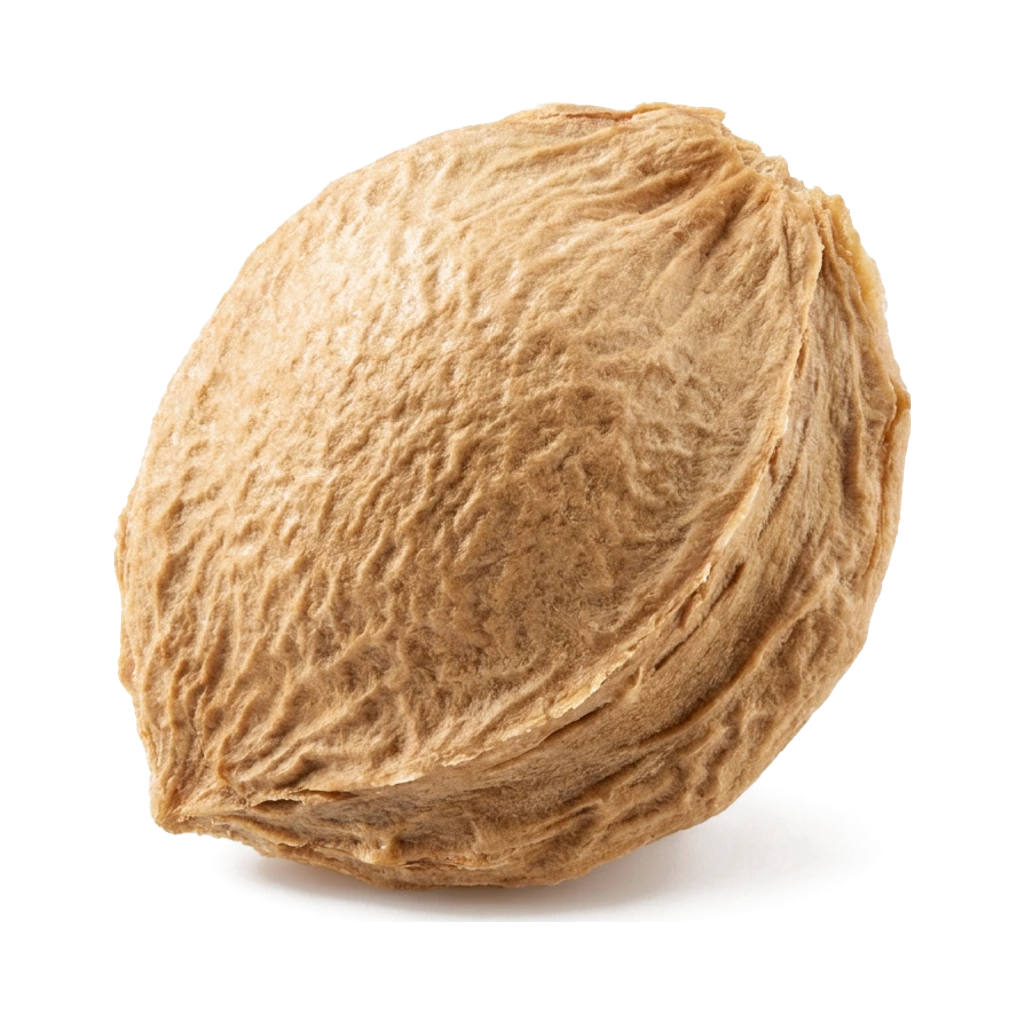
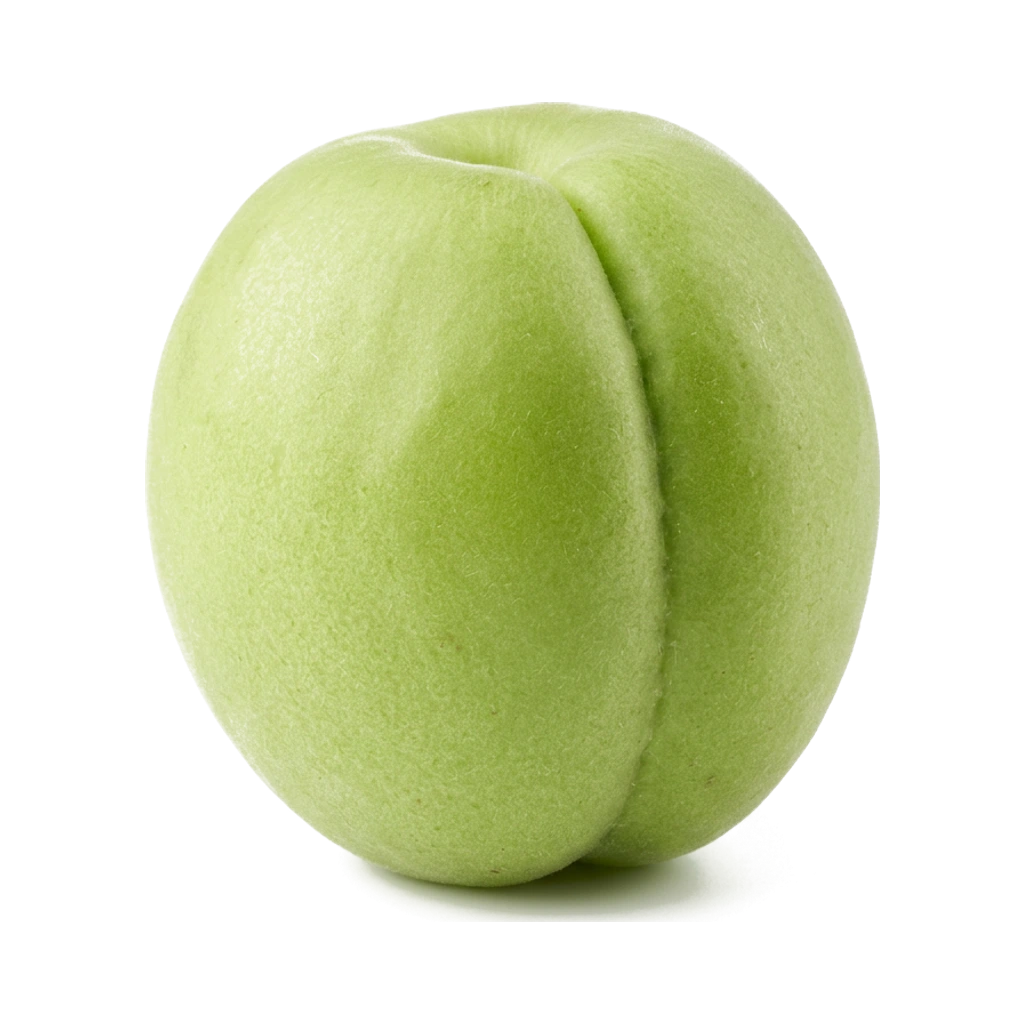
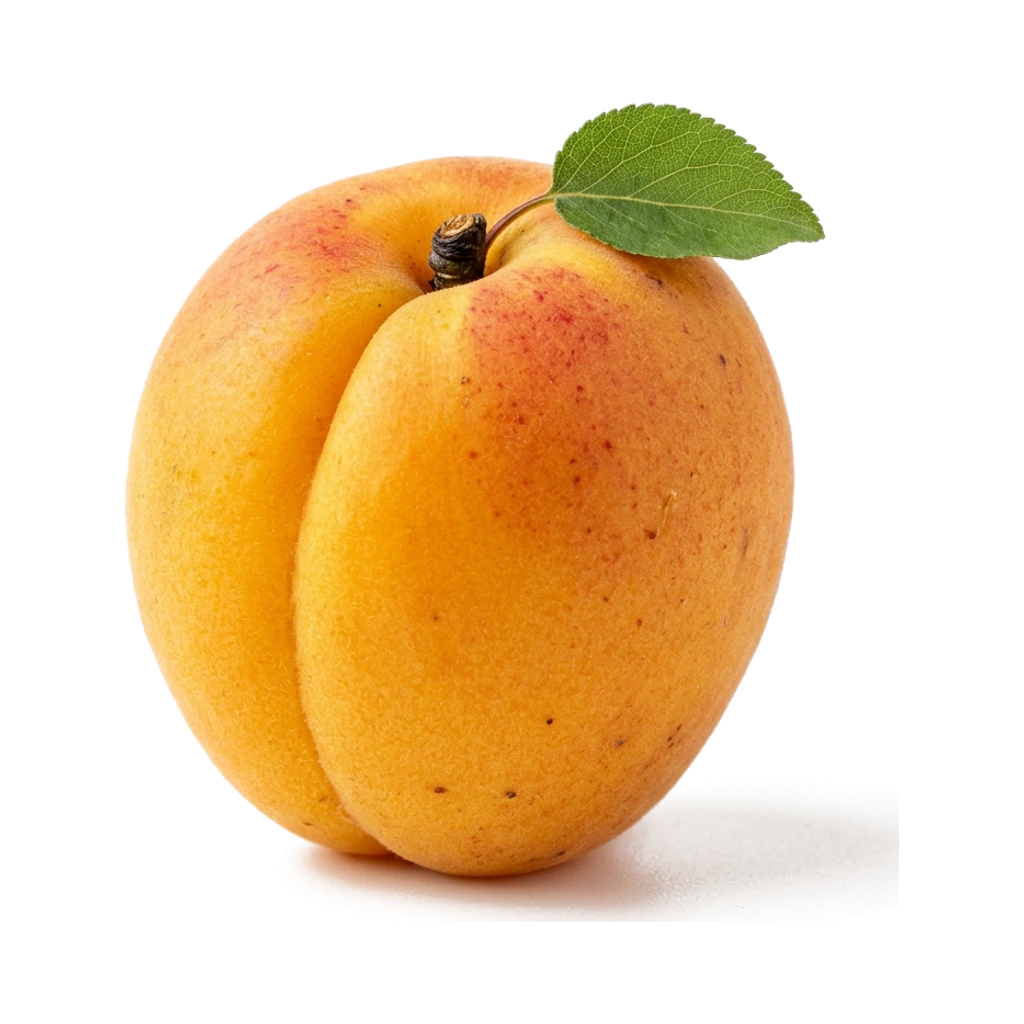
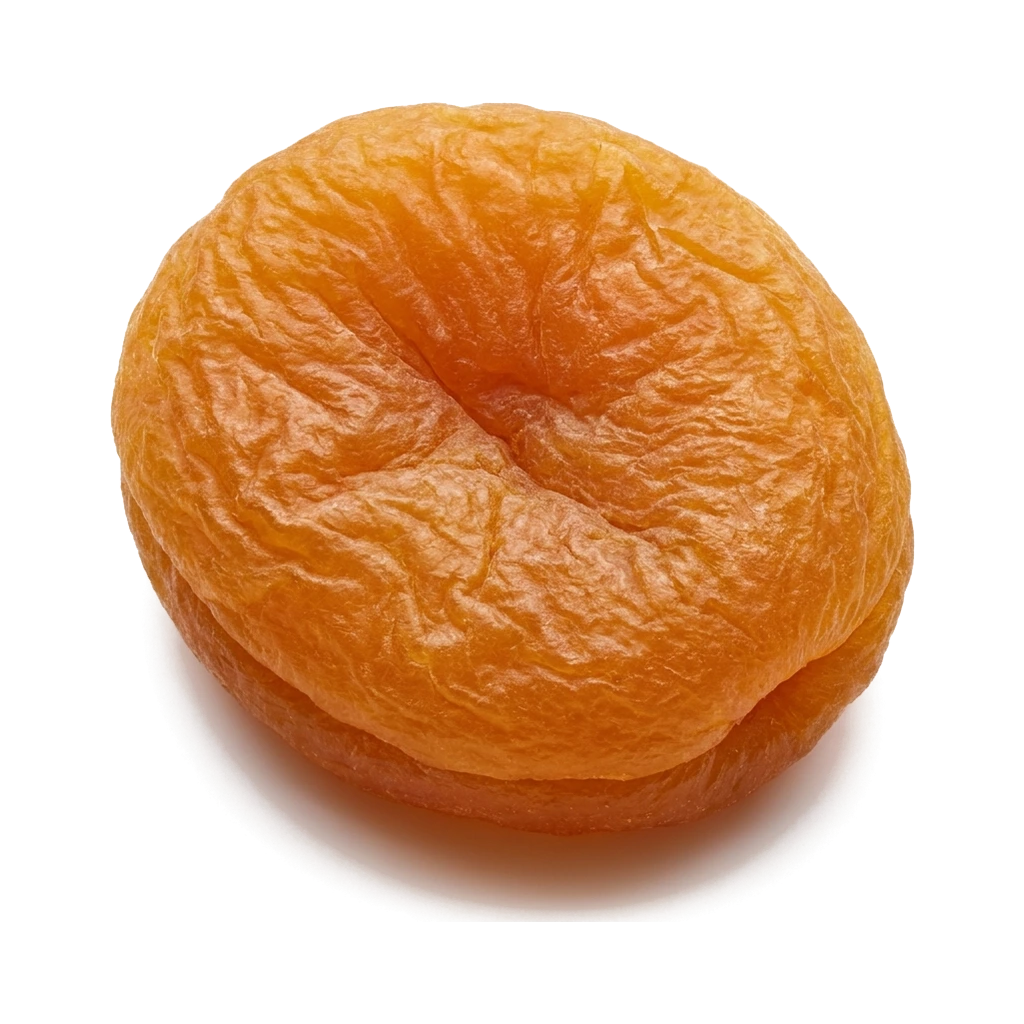
Why Malatya apricots
In Malatya, apricots are less a crop than a matter of geography. Most of Türkiye's dried apricot harvest comes from this soil — and the prices on this page come from that market's own weekly bulletin.
2002
Protected designation of origin · No. 32
of Türkiye's dried apricot output
of Türkiye's fresh apricot output
Apricot trees
Sources: Turkish Patent Office geographical indication record · Fırat Development Agency apricot report
One apricot year
The calendar explains why the price moves: a single April frost night shows up in the August figures.
March – April
Blossom
The trees come into flower. The most fragile weeks of the year: one late frost can take the whole harvest.
July
Harvest
The fruit is picked by hand. No machines — so nothing bruises and everything comes in at even ripeness.
July – August
Drying
The fruit dries in open air. Treated with sulphur it stays orange; left untreated it becomes sun-dried and turns dark.
August – September
To market
The new dried crop starts trading on the exchange and heading for export. The first moves in the index begin here.
Source: Malatya Provincial Directorate of Agriculture and Forestry
On the market this week
Biggest riser
Jumbo Kayısı
Biggest faller
Endüstriyel Kayısı
4
Varieties tracked
Latest bulletin: July 19
Jumbo Kayısı
1.081₺/kg+111.2%Gün Kurusu
426₺/kg−20.2%Kuru Kayısı
346₺/kg−10.3%Endüstriyel Kayısı
85₺/kg−29.2%
All prices
Variety-by-variety price table and the 12-week trend.
Which apricot?
The names in the index are not interchangeable: each variety has its own dry-matter ratio and its own job. Are you after drying fruit or table fruit?
Hacıhaliloğlu
- For drying
- 24–30% dry matter
- ~90% of output
The backbone of Malatya: roughly nine in ten apricots grown here are this variety. Medium-sized fruit with a high dry-matter ratio — it stays plump once dried.
The exchange bulletin prices by product type rather than by variety: dried, sun-dried, jumbo, industrial, standard. So you will not find variety names in the index — the distinction there is drawn by size and treatment instead.
Source: Malatya Provincial Directorate of Agriculture and Forestry
How to choose
Two questions are enough at the seller's counter: how large, and why this colour. Both have an answer written into the standard.
How large?
Dried apricots are numbered by size. The measure is not diameter but count per kilogram: the higher the count, the smaller the fruit.
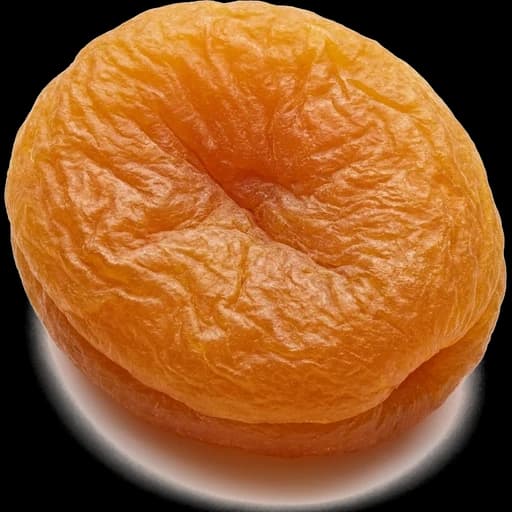
No. 2101–120 pieces/kg
Bright or dark?
Colour is set by treatment, not freshness. Drag the handle to compare the two states.
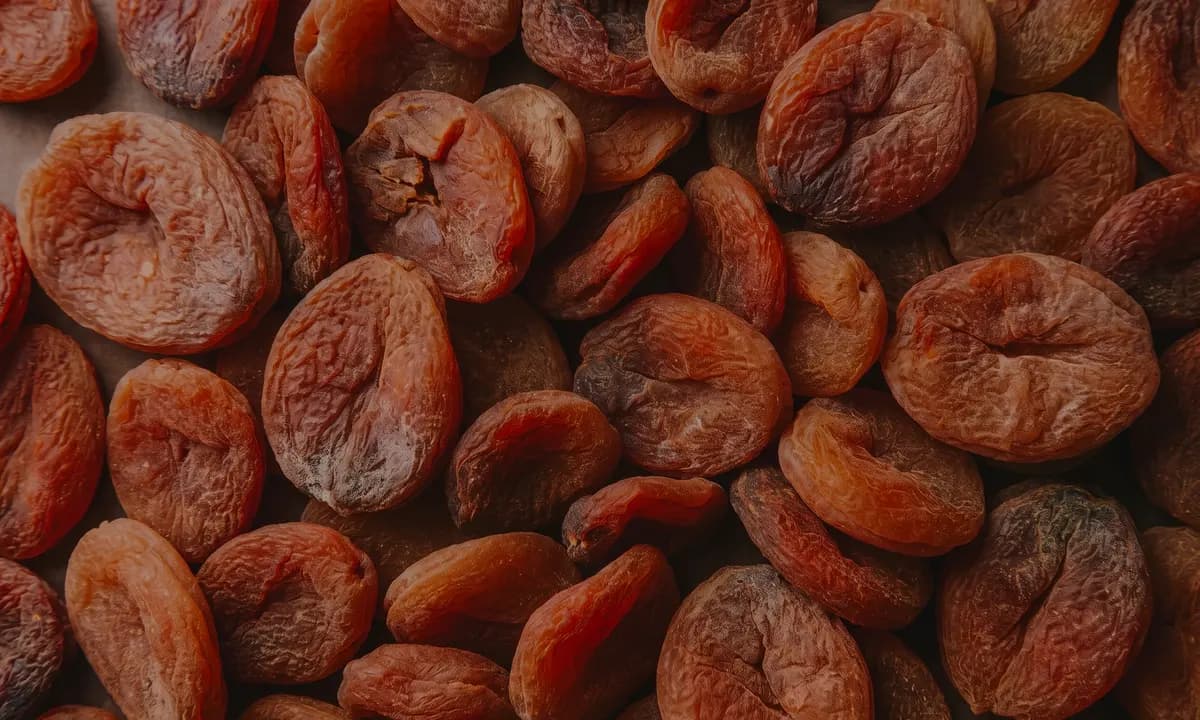 Natural (sun-dried)
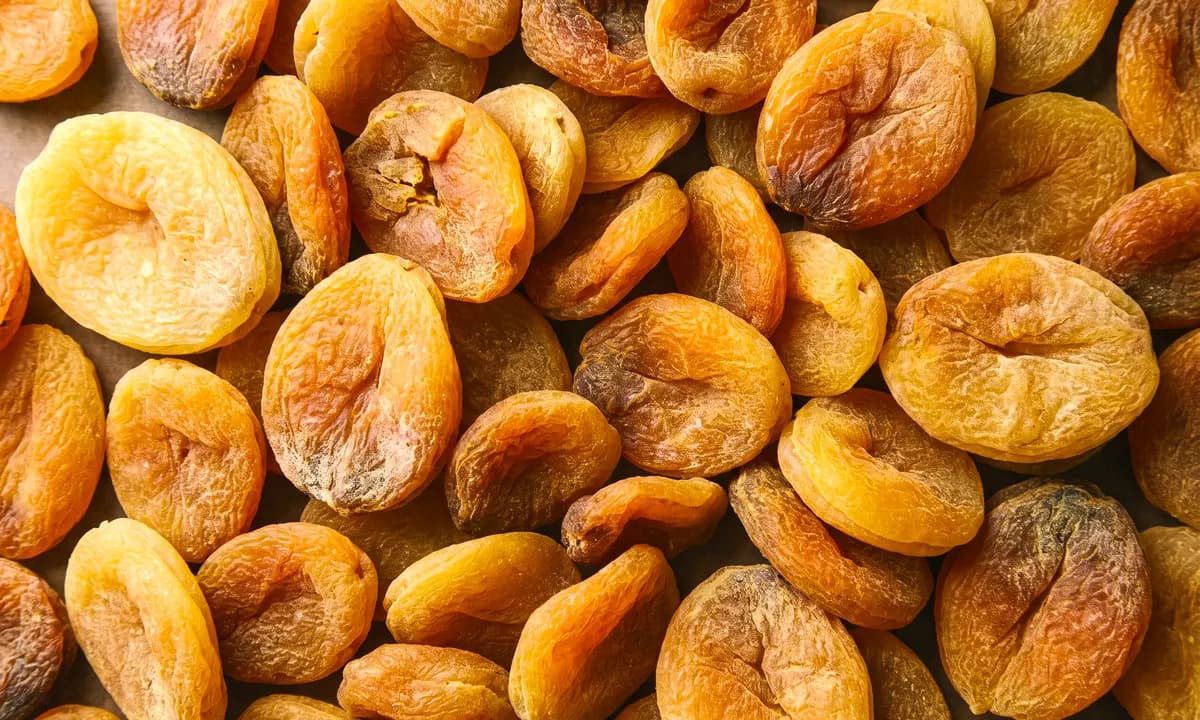 Sulphured
- Sulphured
- Treated with sulphur dioxide before drying. The orange colour is preserved and the look stays uniform. Not suitable for anyone sensitive to sulphites.
- Natural (sun-dried)
- Dried in the sun without sulphur. Oxidation turns it deep brown and concentrates the flavour. The dark colour is a sign of no treatment, not of spoilage.
How it works
Check the current price
A weekly price index compiled from the Malatya Commodity Exchange bulletin.
Find a verified seller
An up-to-date list of identity-verified growers and traders.
Locate them on the map
See the nearest seller on the map and call with one tap.
Explore apricots on the map
See verified sellers across Malatya on the map and find the nearest one.